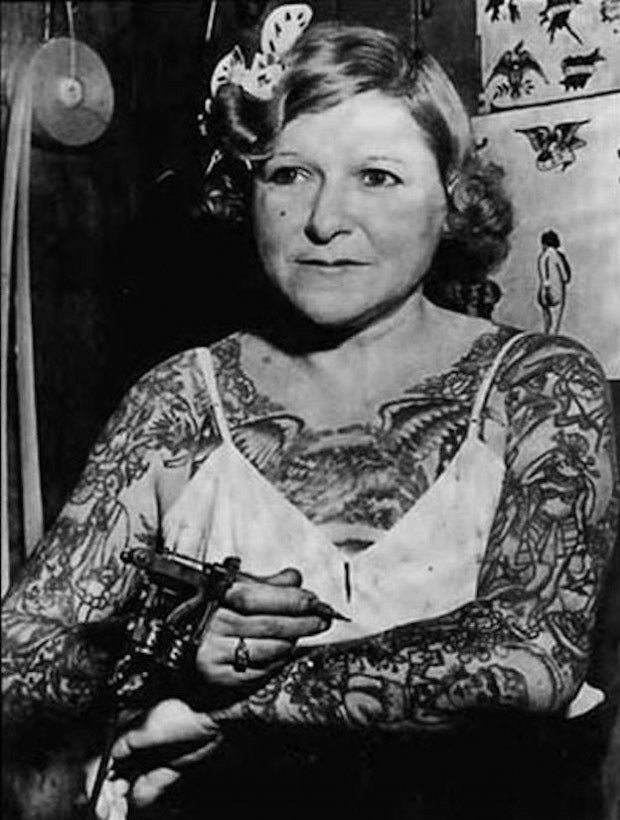

Maud Stevens was born on February 12, 1877, in Emporia, Kansas.[1] She was an aerialist and a contortionist, and she worked the circus with her sister Dora as the Stevens Sisters.[1] On that circuit she met Augustus “Gus” Wagner, who taught her to tattoo by hand — “hokey-pokey,” in the trade’s word for the old method.[1] She is widely regarded as the first known woman tattoo artist in the United States.[1][5] She toured the country rather than keeping a Bowery room, and she was no relation to Charlie Wagner of Chatham Square.[4] This page tells that traveling story, and it keeps the two Wagners apart.
Quick facts
- Born
- February 12, 1877, Emporia, Kansas, as Maud Stevens
- Died
- January 30, 1961, Lawton, Oklahoma, of cancer, at her daughter’s home
- Known as
- Maud Stevens Wagner
- Work
- Circus aerialist and contortionist, then a traveling tattoo artist; not a Bowery shopkeeper
- Family
- Husband Augustus “Gus” Wagner; sister Dora (the Stevens Sisters); daughter Lotteva, born 1910, who tattooed from the age of nine
- Relation to Charlie Wagner
- None documented
The Stevens Sisters and a meeting on the lot
The circus was her first trade. As one of the Stevens Sisters she performed aerial and contortion work, a standard small-troupe act of the turn of the century.[1] She met Gus Wagner around 1903, or earlier; the two, with Dora, were sometimes billed as “Wagner and the Stevens Sisters.”[1]
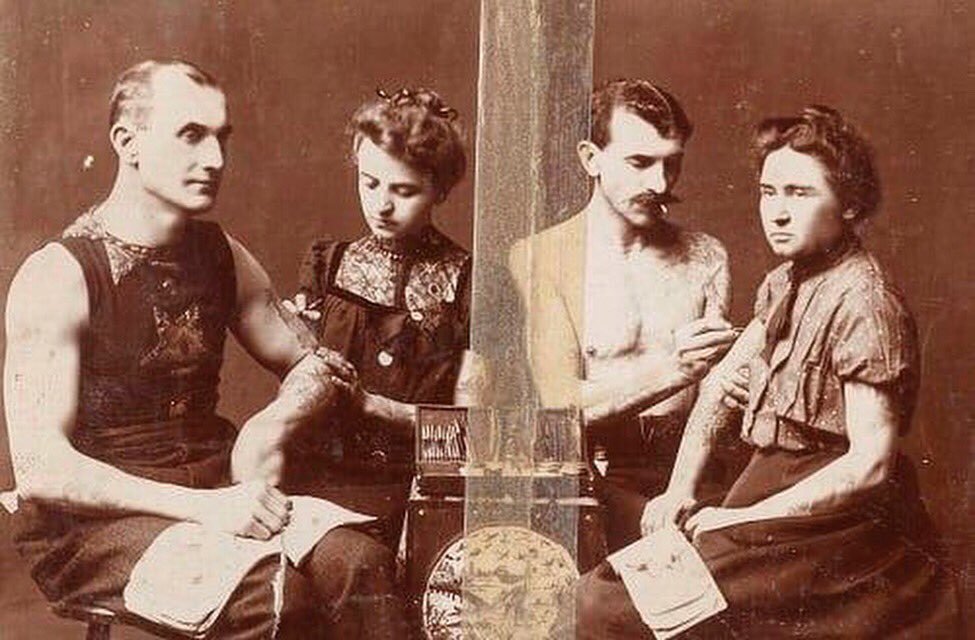
The South Street Seaport Museum, describing a painted cabinet card it acquired in 2025, dates a 1903 photograph to a stand with the Wonderland Shows in Terre Haute, Indiana. During that time, the museum says, Gus briefly ran a tattoo shop and began tattooing Maud.[5] Small, hand-painted tattoos on the photograph itself reflect a technique he is known to have used on other images.[5] The couple married the following year in St. Louis, during the Louisiana Purchase Exposition — the 1904 World’s Fair — and then promoted themselves as husband-and-wife tattoo artists.[5][1] Wikipedia’s shorter account also places the fair and the elopement in 1904, and says Gus taught her hand tattooing after they married.[1] The two versions agree on the year of the marriage and on the method.
A traveling shop, a daughter, and a name that causes trouble
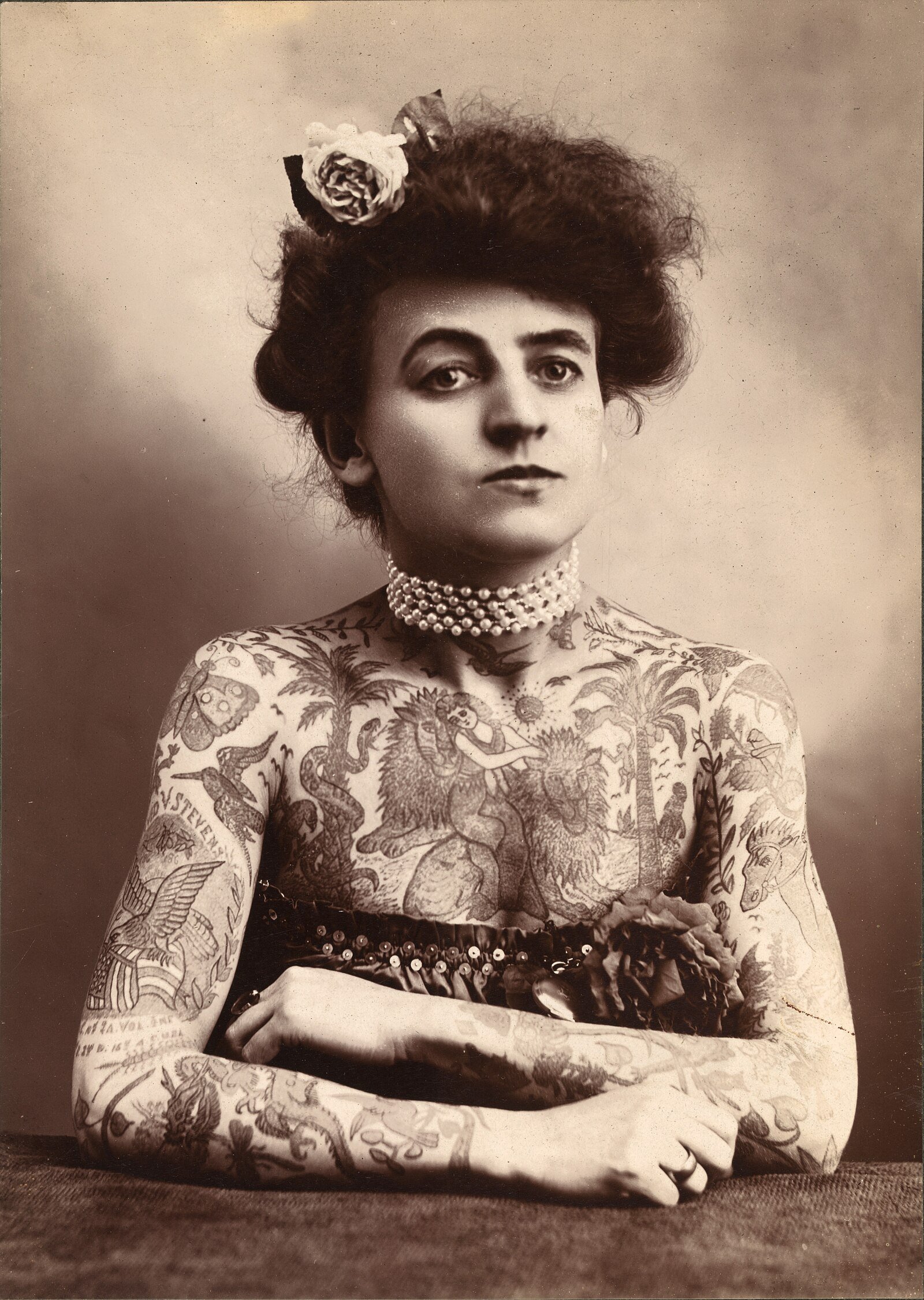
From then on she tattooed as well as performed. The work was hand work, not machine work of the O’Reilly–Wagner New York type, and it moved with the shows.[1] Their daughter, Lotteva, was born in 1910 and, later accounts say, tattooed from the age of nine.[1] The 1907 Los Angeles portraits in the Library of Congress — made at the Plaza Gallery — show Maud already heavily tattooed, arms and chest covered, a few years into that life.[2][3]
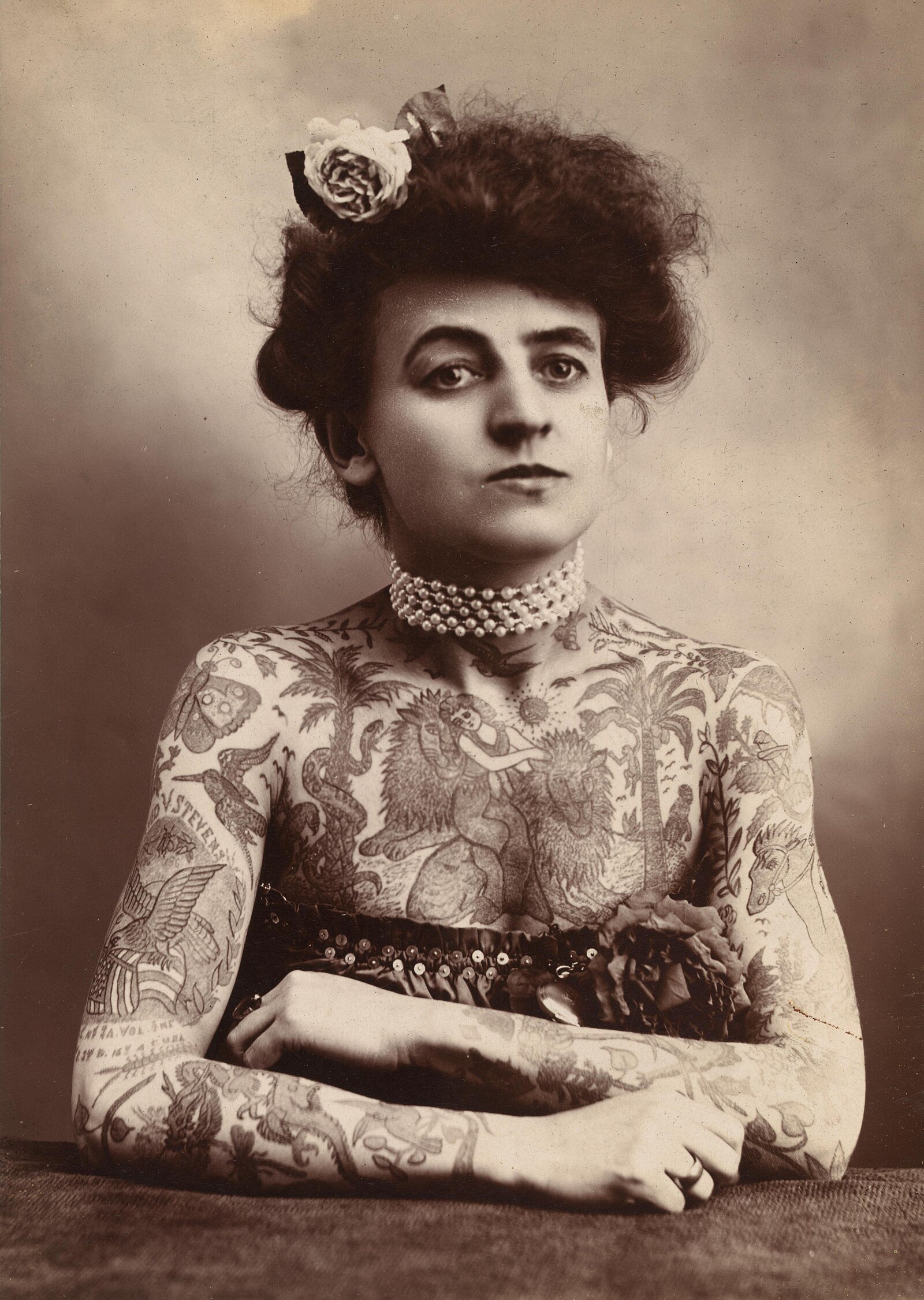
The surname causes regular confusion. Charlie Wagner of 11 Chatham Square was a different person, in a different city, working with electric machines. No family connection is documented.[4] Maud’s place in a New York history is as a national figure, and as a woman who tattooed, not as a Bowery shopkeeper.
She died of cancer on January 30, 1961, in Lawton, Oklahoma, at her daughter’s home, and was buried at Homestead Cemetery in Chase County, Kansas.[1] The year is also the year New York banned tattooing. Her own career had been lived mostly on the road, far from that ban, in a hand-tattooing tradition she had learned from her husband and passed, in part, to her daughter.
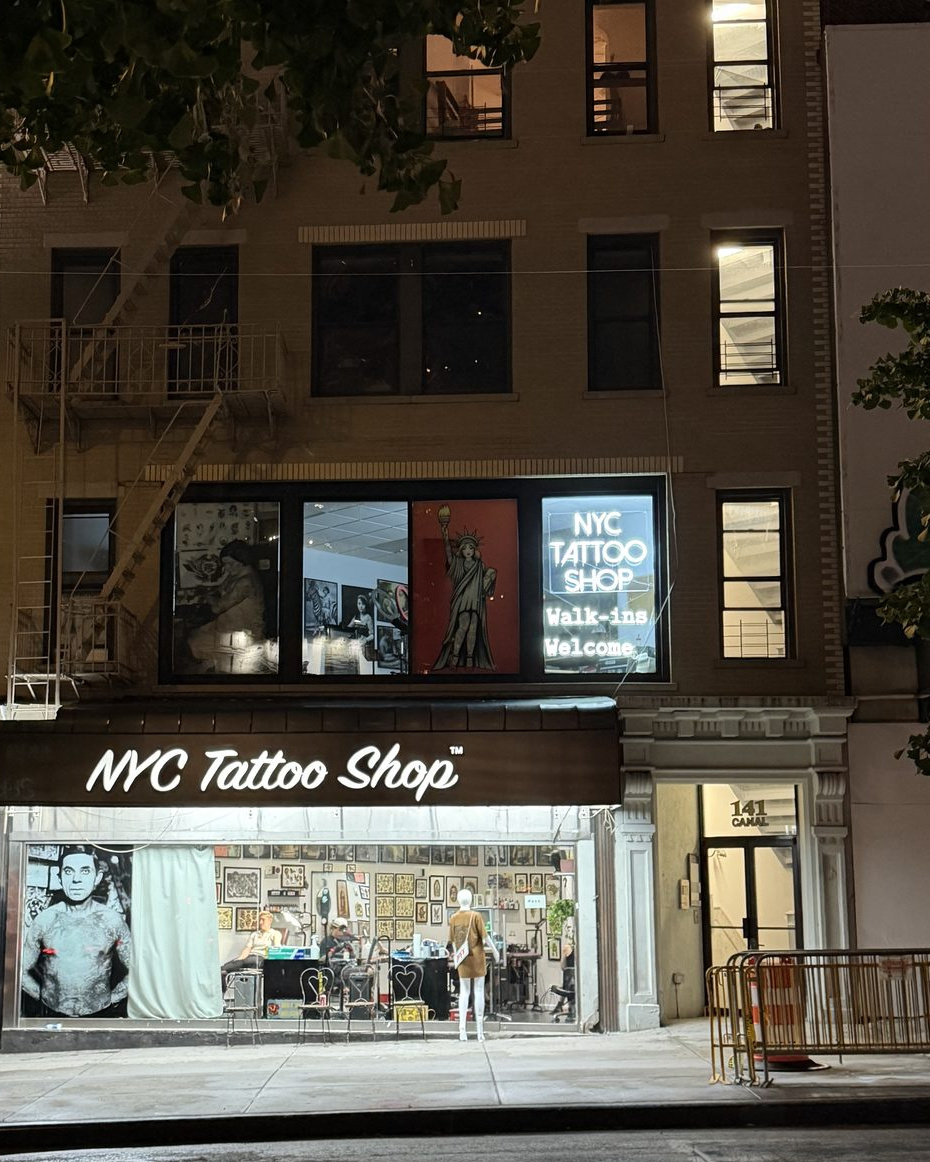
NYC Tattoo Shop is at 141 Canal St in Manhattan. Maud Wagner’s working life was a traveling one, not a Bowery shop. She belongs in this series because the history of women in the trade is larger than one street.
Photo gallery
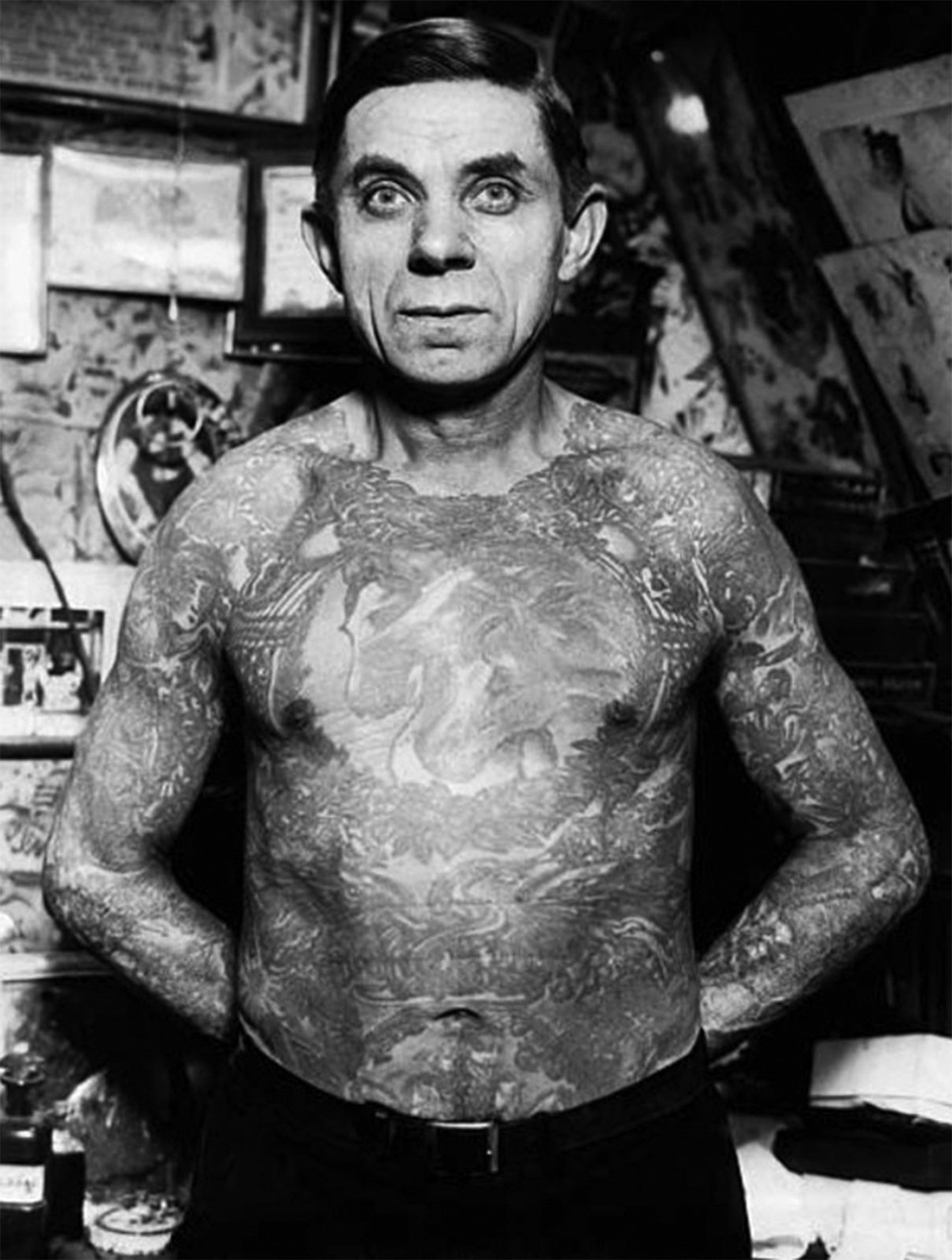
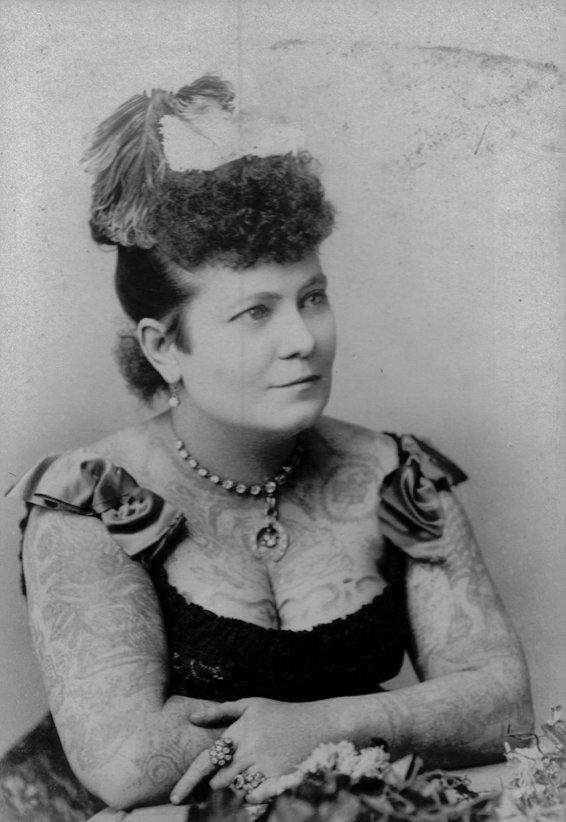
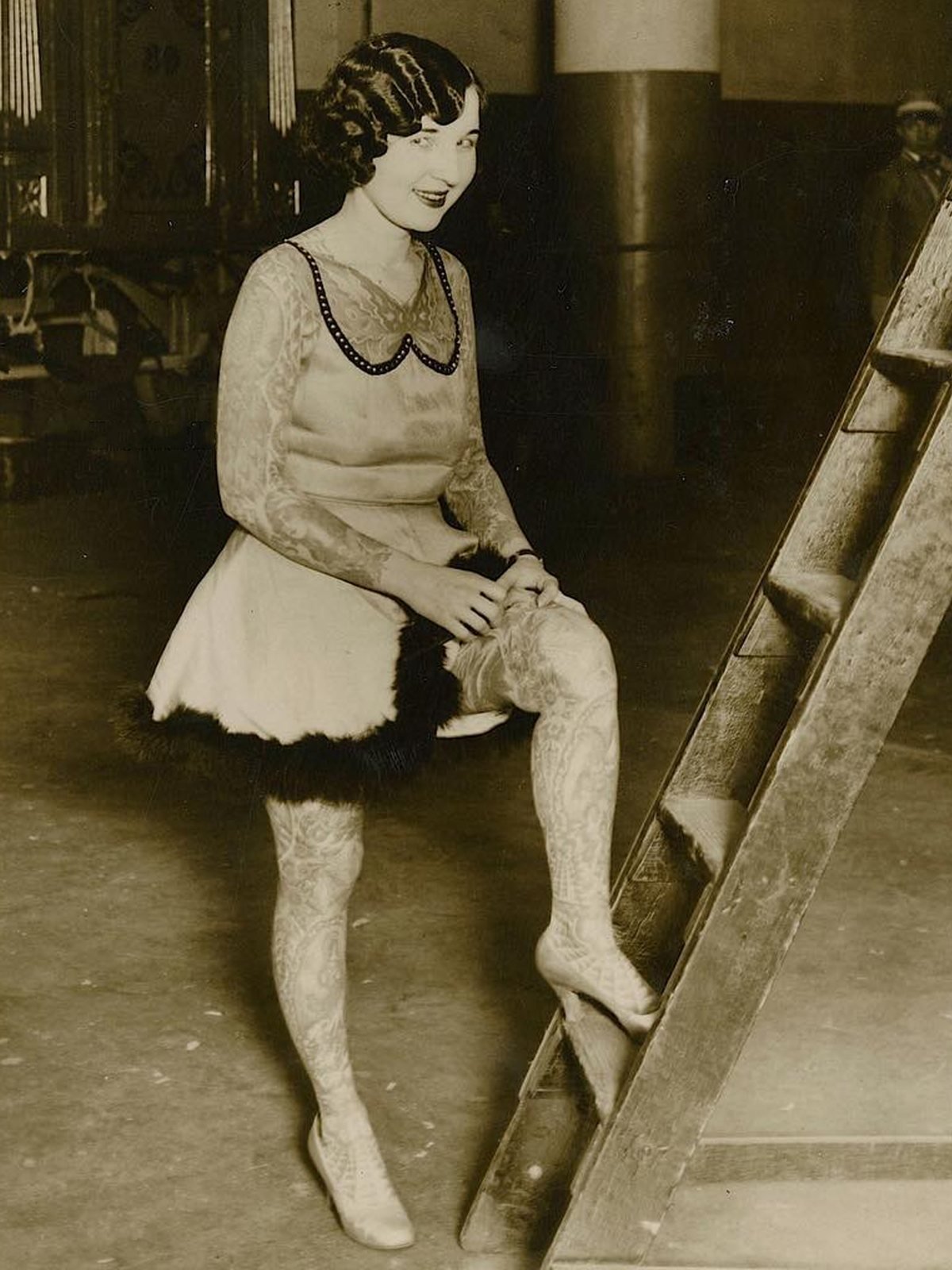
The two 1907 Los Angeles portraits are public domain (pre-1929 publication; Library of Congress / Wikimedia Commons). The photograph of Maud and Gus, around 1910, is presented as public domain on Wikimedia Commons; its provenance is thinner than the Plaza Gallery sittings.